
When it comes to flat and low-slope commercial roofs, single-ply membranes account for the vast majority of modern installations. Among those, TPO (Thermoplastic Polyolefin) and EPDM (Ethylene Propylene Diene Monomer) are the two industry heavyweights.
While both deliver exceptional weatherproofing, choosing the wrong membrane for your specific building layout, climate, or rooftop activity can lead to premature degradation, higher HVAC costs, or unexpected repair cycles.
Here is a practical breakdown to help property managers and building owners make an informed capital decision.
The High-Stakes Choice (TPO vs. EPDM Overview)
Commercial roofing is not a one-size-fits-all asset. The debate between TPO and EPDM often boils down to energy strategy versus long-term flexibility.
TPO (Thermoplastic Polyolefin): The Cool-Roof Leader
TPO is a bright white, reflective membrane that has exploded in popularity over the last two decades—primarily due to energy efficiency mandates.
- Energy Efficiency: Reflects up to 80%+ of solar heat, keeping roof surface temperatures significantly lower and reducing peak summer cooling loads.
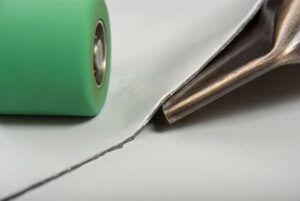
- Heat-Welded Seams: TPO seams are fused together using hot air, creating a continuous physical bond that is often stronger than the membrane itself.
- Chemical Resistance: Highly resistant to fats, oils, and chemical exhaust, making it ideal for restaurants or industrial facilities with rooftop venting.
EPDM (Ethylene Propylene Diene Monomer): The Time-Tested Rubber Roof
Often referred to simply as “rubber roofing,” EPDM has been protecting commercial structures for nearly 60 years.
Proven Longevity: EPDM boasts an incredible track record, with well-maintained systems regularly lasting 25 to 30+ years.
Thermal Shock Resistance: Highly elastic, black rubber expands and contracts easily through extreme winter freezes and summer heat spikes without cracking.
Impact & Puncture Resistance: Thick EPDM holds up exceptionally well under foot traffic and hail exposure.
At-a-Glance Comparison
If you need a quick side-by-side comparison for your next facility planning meeting:
Feature
TPO (Thermoplastic)
EPDM (Rubber)
Primary Color
Reflective White
Energy-Absorbing Black
Seam Method
Hot-Air Heat Welded
Chemical Seam Tape / Adhesive
Best Climate
Warm / Sun-Heavy Regions
Cold / Freeze-Thaw Environments
Puncture Resistance
High (Reinforced scrim)
Very High (Thick rubber elasticity)
HVAC Cost Impact
Lowers Cooling Bills
,Lowers Heating Bills
Typical Lifespan
15–22 Years
25–30+ Years
Field Observation — The Seam & Drainage Reality
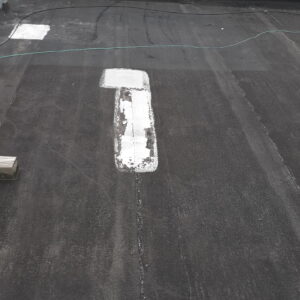
During a recent commercial inspection, we evaluated a 15-year-old single-ply membrane where the building owner was dealing with recurring interior leaks near their HVAC units.
The membrane itself was still in reasonable shape, but the failure was happening at the seams and flashing details.
The Takeaway: No matter which membrane you select, 90% of commercial roof leaks do not occur in the middle of the field membrane—they occur at drains, scuppers, HVAC curbs, and wall flashings.
For TPO: Proper hot-air welder calibration is critical during installation to prevent “cold welds.”
For EPDM: Biannual checks on lap sealants and seam tape edges are vital to prevent water from creeping beneath the rubber.
How to Decide for Your Building
Before committing to a full tear-off or new installation, ask these three questions:
- What is sitting on your roof? If you have kitchen exhaust hoods, grease vents, or heavy industrial chemicals, TPO is generally the safer choice.
- What are your climate priorities? If cooling costs drive your summer utility bills sky-high, white TPO offers immediate reflective relief. If winter heating dominates your budget, black EPDM helps absorb passive solar heat.
- Is restoration an option? If your existing TPO or EPDM roof is aging but the underlying insulation is dry, a liquid-applied silicone coating can often add 10 to 15 years of renewed warranty protection at half the cost of a full replacement.
Need an Expert Assessment of Your Commercial Roof?
At Commercial Roof Assets, we specialize in non-destructive thermal diagnostics, single-ply maintenance, and proactive roof preservation.
Schedule a Commercial Roof Inspection Today
or call us:
(919) 533-9370
directly to speak with an experienced commercial asset specialist.